When a Texas tenant signs a lease, the agreement isn’t just a list of rent and rules – it’s a legal checklist that protects both parties. State law requires landlords to disclose specific information, from safety hazards to utility responsibilities, ensuring renters know exactly what they’re signing up for. Missing a single required disclosure can turn a routine rental into a costly dispute, so understanding the essentials of Texas lease agreements and what landlords need to disclose is crucial for anyone renting or renting out property in the Lone Star State.
Key disclosures required by Texas law
Texas statutes and local ordinances outline several mandatory disclosures. Landlords must provide these in writing, typically as part of the lease or an attached addendum:
- Identity of the property owner or manager: The lease must list the name, address, and contact information of the party responsible for the property.
- Security deposit details: If a deposit is collected, the lease must state the amount, the conditions for its return, and where it will be held.
- Presence of lead-based paint: For homes built before 1978, landlords must disclose known lead hazards and provide the EPA’s pamphlet.
- Utility responsibilities: Clarify which utilities (water, electricity, gas, trash, internet) the tenant must pay versus the landlord.
- Repair and maintenance policies: Explain the process for reporting repairs, the landlord’s response time, and any tenant responsibilities for upkeep.
- Rules on entry: State the notice period (usually 24 hours) before the landlord can enter the unit, except in emergencies.
- Pet policies and fees: If pets are allowed, disclose any additional rent, deposits, or breed restrictions.
- Smoking restrictions: Clearly indicate whether smoking is prohibited inside the rental.
- Termination and renewal terms: Outline how either party can end the lease early, notice periods, and any automatic renewal clauses.
Common pitfalls landlords overlook
Even seasoned property owners can miss a disclosure, often because it seems obvious or because they assume it’s covered elsewhere. For example, many landlords forget to provide the “notice of landlord’s intent to enter” in writing, assuming a phone call suffices. Others omit the exact utility split, leading tenants to dispute unexpected bills later on. A frequent mistake is not updating the lease when a property changes ownership; the new owner’s information must be reflected immediately to stay compliant.
How to assemble a compliant lease package
Creating a clear, legally sound lease can be broken down into three steps:
- Start with a standard template: Use a Texas‑specific lease form that already includes the required disclosure sections. Many local real‑estate boards provide free templates.
- Customize for your property: Add any unique rules (HOA guidelines, pool access, etc.) and verify that all mandatory disclosures are present and accurate.
- Review and sign together: Walk through the lease with the tenant, highlighting each disclosure. Both parties should sign and retain a copy, and the landlord should keep a separate record of all provided notices.
Why proper disclosure matters to tenants
For renters, a thorough lease offers transparency that can prevent surprise costs or legal headaches. Knowing who to contact for repairs, understanding who pays for water, and being aware of any lead‑paint hazards empowers tenants to make informed decisions. In the event of a dispute, a well‑documented lease serves as solid evidence, often resolving issues before they reach court.
Practical next steps for landlords
- Audit your current lease: Compare it against the checklist above and add any missing items.
- Maintain a disclosure log: Keep dated copies of all notices, utility statements, and lead‑paint information in a file that’s easy to share with tenants.
- Stay updated: Texas law can evolve, especially regarding energy efficiency and safety standards. Subscribe to local landlord‑association newsletters for alerts.
- Consider a professional review: A quick consult with a Texas‑licensed attorney can catch omissions before they become costly.
By treating lease disclosures as a core part of the rental relationship rather than a bureaucratic hurdle, Texas landlords can foster trust, reduce conflict, and keep their properties compliant with state law.
Texas Landscape Wallpapers - Top Free Texas Landscape Backgrounds

Texas Landscape Wallpapers - Top Free Texas Landscape Backgrounds ...
Texas Map Stock Photos, Pictures & Royalty-Free Images - IStock
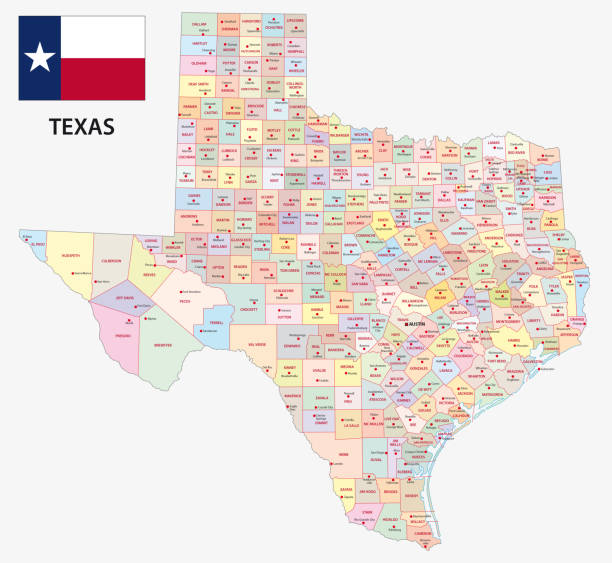
Texas Map Stock Photos, Pictures & Royalty-Free Images - iStock
Texas Longhorns Baseball Schedule 2025 Printable - King Printables
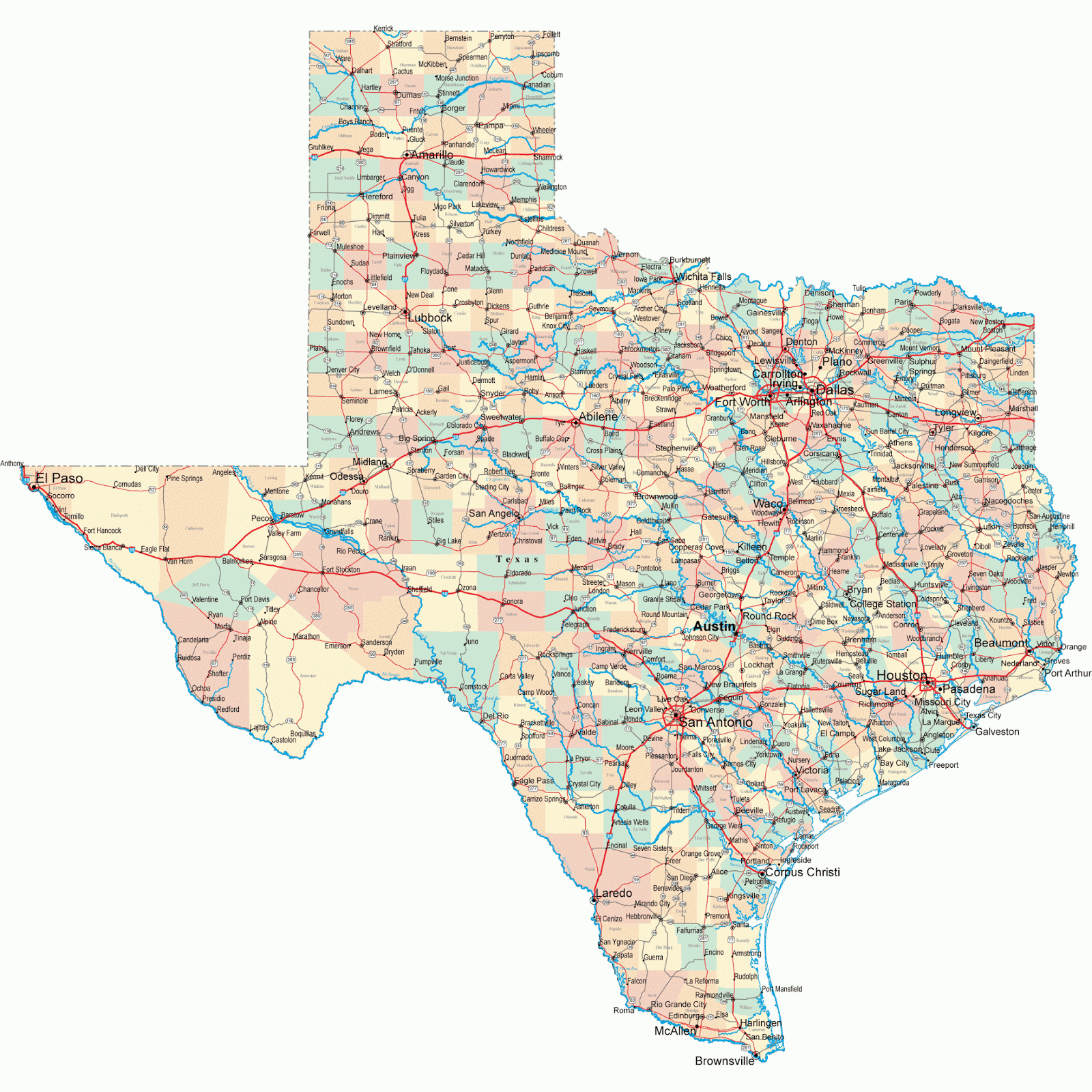
Texas Longhorns Baseball Schedule 2025 Printable - King Printables
Printable Map Of Texas Web Texas Map Template Printable Pdf Files Are
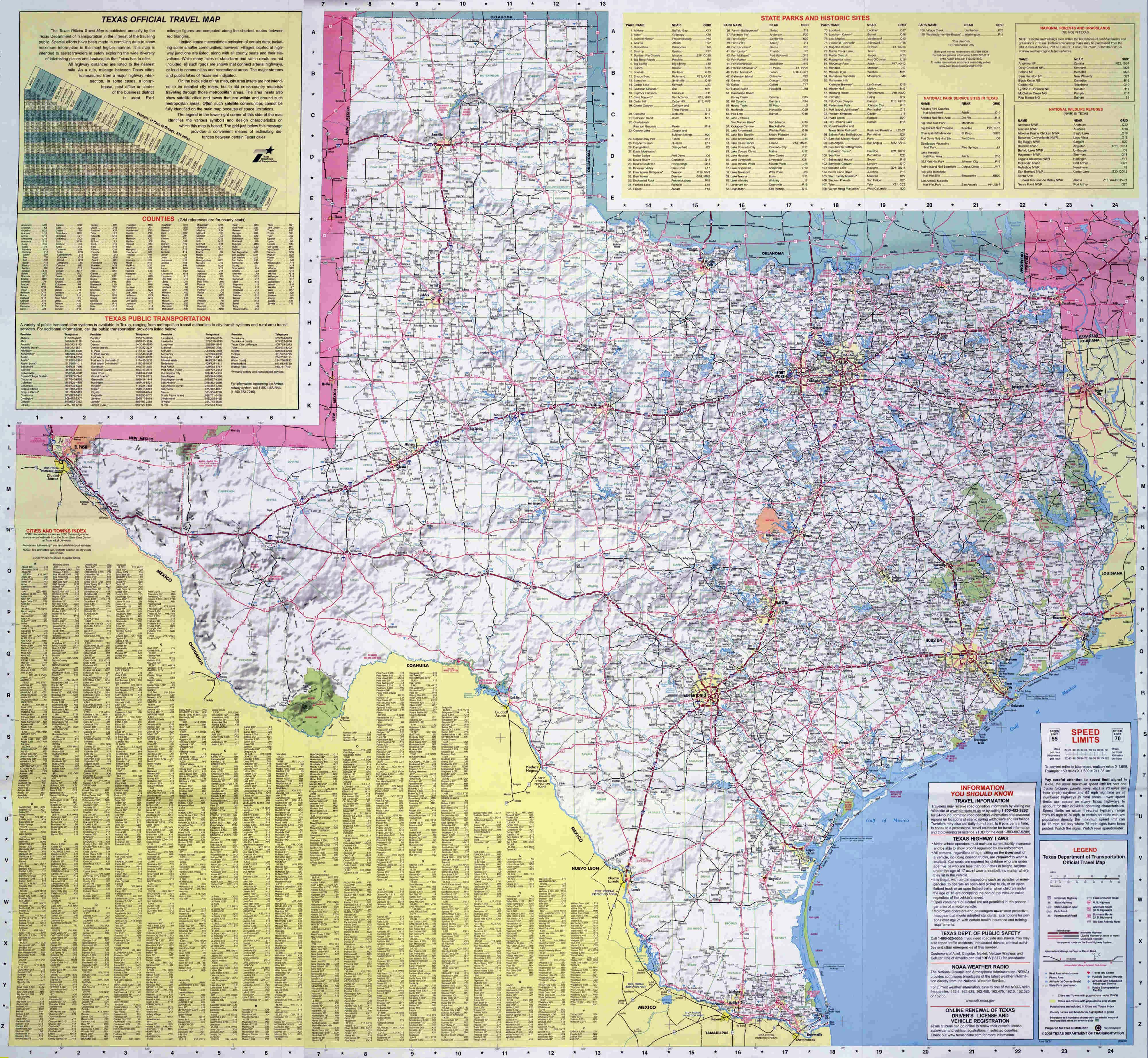
Printable Map Of Texas Web Texas Map Template Printable Pdf Files Are ...